AI workloads create unprecedented power demands with 30-50% surges in milliseconds. C-Link supercapacitor modules instant protection without months of construction or oversizing batteries. Are you an onsite power generation provider serving AI Data Centers? Click here.
Become AI-Ready Without Months of Construction
What's Driving Data Center Power Complexity?
Data centers are facing new power challenges. AI and high-performance computing are transforming data center operations, creating power quality demands that traditional infrastructure wasn't designed to handle.
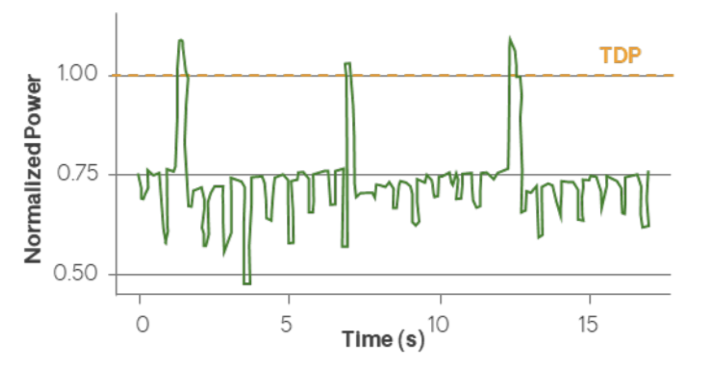
The sudden power surges result in voltage and frequency distortions that risk downtime and equipment damage. So large and so fast, they get past UPS systems and generators onto the grid risking penalties and demand charges.
-
AI processing creates power surges 30-50% above baseline IT loads lasting 0.2 to 2 seconds. These rapid fluctuations stress infrastructure and require instant response to prevent equipment damage.
-
Colo client AI workloads deploy on short timelines, often 3-6 months. Traditional power infrastructure upgrades take longer, creating competitive disadvantages.
-
Prime data center real estate is expensive and limited. Adding traditional battery systems requires permitting, concrete pads, cranes, and reconstruction that consumes valuable space.
-
AI adoption is accelerating faster than anticipated. Infrastructure must scale and adapt quickly without replacing entire systems or overbuilding capacity. Winners will be determined by speed and capital efficiency.
C-Link Supercapacitor Modules Solve Data Center Power Challenges
Scale as Demand Grows
Modular design lets you start with current needs and add capacity as AI adoption accelerates. Even relocate modules between facilities as workload distribution changes.
Deploy in Days, Not Months
Typical lead times for C-Link module system are 3-6 months, dramatically faster than many battery alternatives. Plus, single-technician deployment gets systems operational fast, meeting aggressive AI-ready timelines.
Handle AI Power Surges
Millisecond response eliminates voltage sags during AI workload spikes. High power density delivers surge capacity needed without paying for hour-long discharge capability you'll never use.
Maximize Space Efficiency
Flexible form factor mounts on walls, fences, or cable trays, utilizing space that traditional battery cabinets can't. No reconstruction required for retrofit installations.
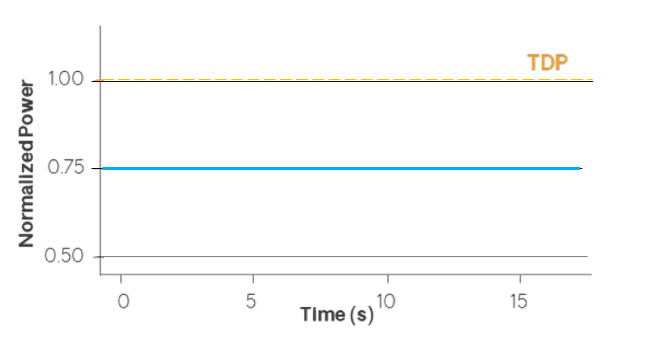
What UPS systems, generators, and the grid see after C-Link supercapacitor modules smooth AI demand.
How C-Link Solves the Problem
C-Link supercapacitor modules respond in milliseconds to power quality problems, protecting servers, networking equipment, switchgears, and energy storage systems from voltage disturbances. It makes it possible for batteries, generators, and traditional infrastructure to support steady state demand.
Voltage Sag Protection: Eliminate voltage drops during AI workload surges before they cause server errors or equipment damage.
Enable Typical Operations: Isolate equipment like batteries and generators from AI load profiles, so they can operate as they always have, improving asset utilization and driving capital efficiency.
UPS Support: Transfer the burden of transient events from your UPS system to C-Link modules, reducing stress, extending operational life, and reducing replacement costs.
Retrofit-Friendly: Integrate with existing power infrastructure without replacing equipment or major facility modifications
Demand Charge Reduction: Smooth power spikes to reduce utility demand charges that can drive electricity costs
Major Features:


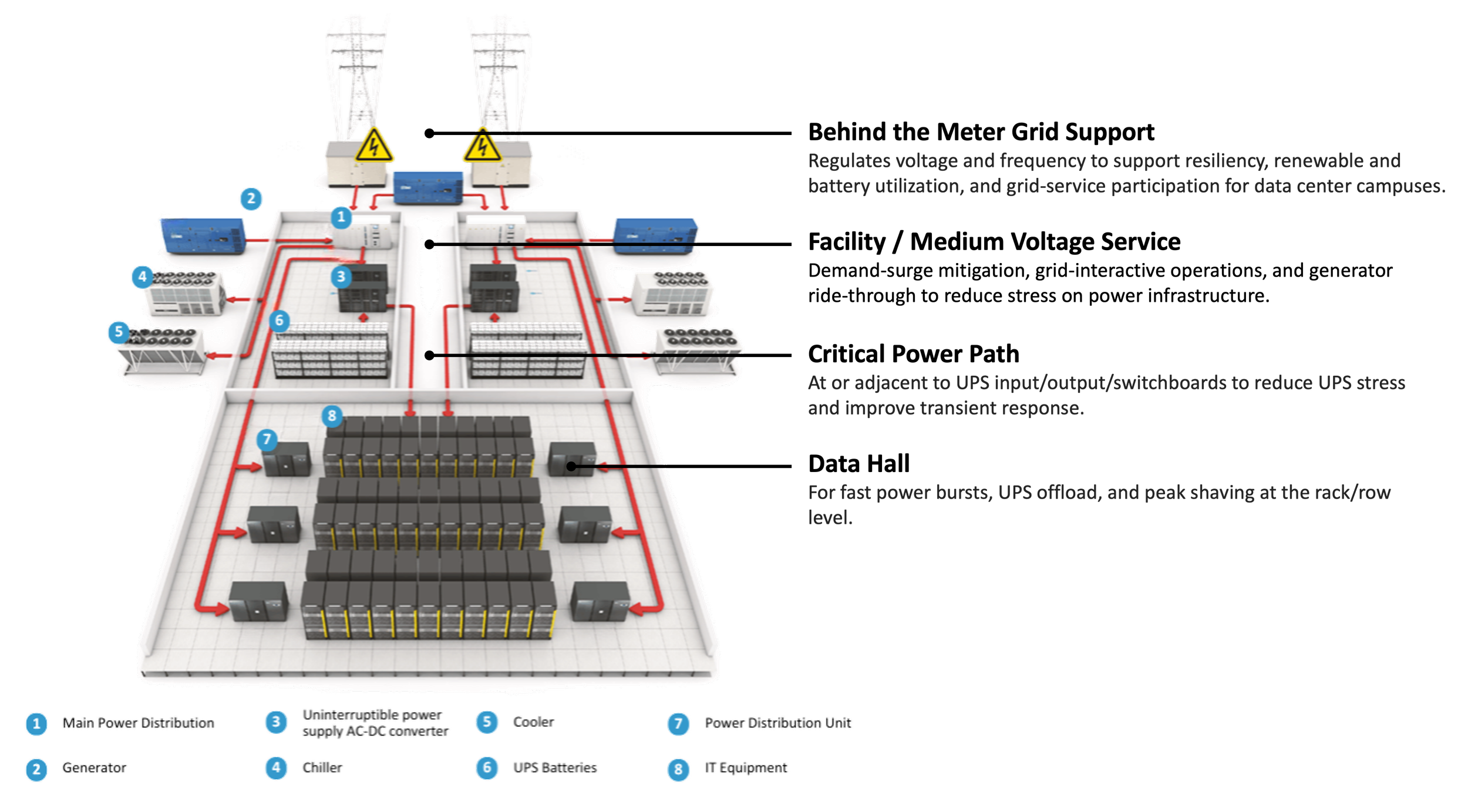
C-Link Supercapacitor Modules in Data Center Infrastructure
Battery Infrastructure FAQ with C-Link Modules
-
Yes. C-Link supercapacitor modules complement batteries, generators, and steady state resources. They are not a 1:1 replacement for batteries.
-
You can, but it would not be as efficient as using a battery to shift steady state demand and C-Link supercapacitor modules for AI power demand surges. This is because supercapacitors have a lower internal resistance, meaning there are less losses when delivering high levels of power. Additionally, supercapacitors have a lower $/kW than batteries, making them the more capital efficient option.
-
Yes they can, but what batteries can do and should do are not the same. When you apply a large load across a battery, there is a large and instantaneous voltage drop defined by its internal resistance. When this happens, the drop in voltage may end up below the operating voltage range of the UPS system or power converter the batteries are connected to resulting in downtime.
-
Yes! In most cases, this is the highest performance and most capital efficient option to our customers. Integration needs to be done with insight and purpose. Connect with our engineering team for guidance.