

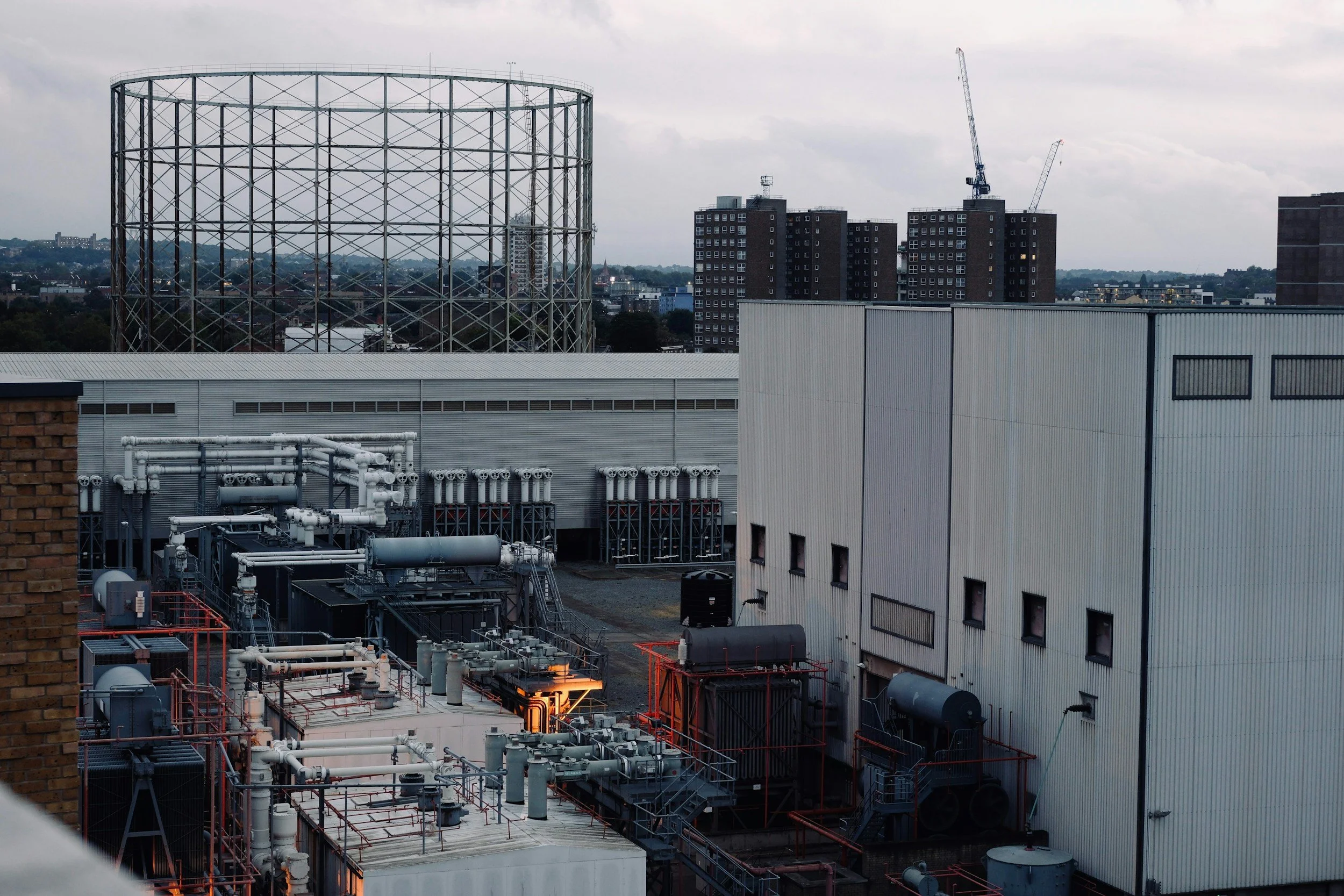
Distributed energy resources enable rapid capacity deployment, sustainability goals, and energy independence. C-Link modules delivers millisecond response to keep complex systems simple, stable and operational.
Power Quality Protection for Modern Microgrids
Microgrids Matter
Distributed energy resources help utilities deploy capacity quickly, governments achieve sustainability targets, and businesses gain power independence.
-

Utilities
Microgrids enable rapid capacity deployment to distribution grids. The challenge is bringing systems online due to inrush currents and unique load requirements.
-

Infrastructure
Facilities like water treatment centers have expensive equipment critical to city operations but sensitive to voltage disturbances and power quality problems.
-

Manufacturing
Large motors and inductive loads require significant power surges to start and operate, resulting in expensive demand charges that drive up utility costs.
-

Data Centers
Data centers use microgrids to enhance energy resilience and sustainability. Generators and batteries are not optimized for the explosive electricity demand from AI.
Microgrids Require Millisecond Response Capacity

Microgrids have many moving parts, creating significant challenges. Multiple energy storage technologies like fuel cells and batteries, renewable sources, and various transformers and converters all work together to deliver power. The system is dynamic: renewable generation may exceed load demand one moment and fall short the next.
Batteries and fuel cells provide excellent energy storage for shifting demand and delivering hours of backup power. However, microgrid challenges don't just happen over hours but in seconds and milliseconds too. Millisecond response capacity is needed to operate a resilient and effective microgrid.
A Practical Solution

C-Link modules bring balance to all the moving parts in your system to achieve greater yield, efficiency, reliability, and resilience.
How C-Link supercapacitor modules help:
Handles inrush currents when energizing the system during blackstart operations
Eliminates voltage disturbances before they cause equipment damage
Smooths intermittent renewable generation for consistent output
Supports blackstart requirements and ramp-up periods for batteries and generators
Enables faster response than batteries can deliver alone
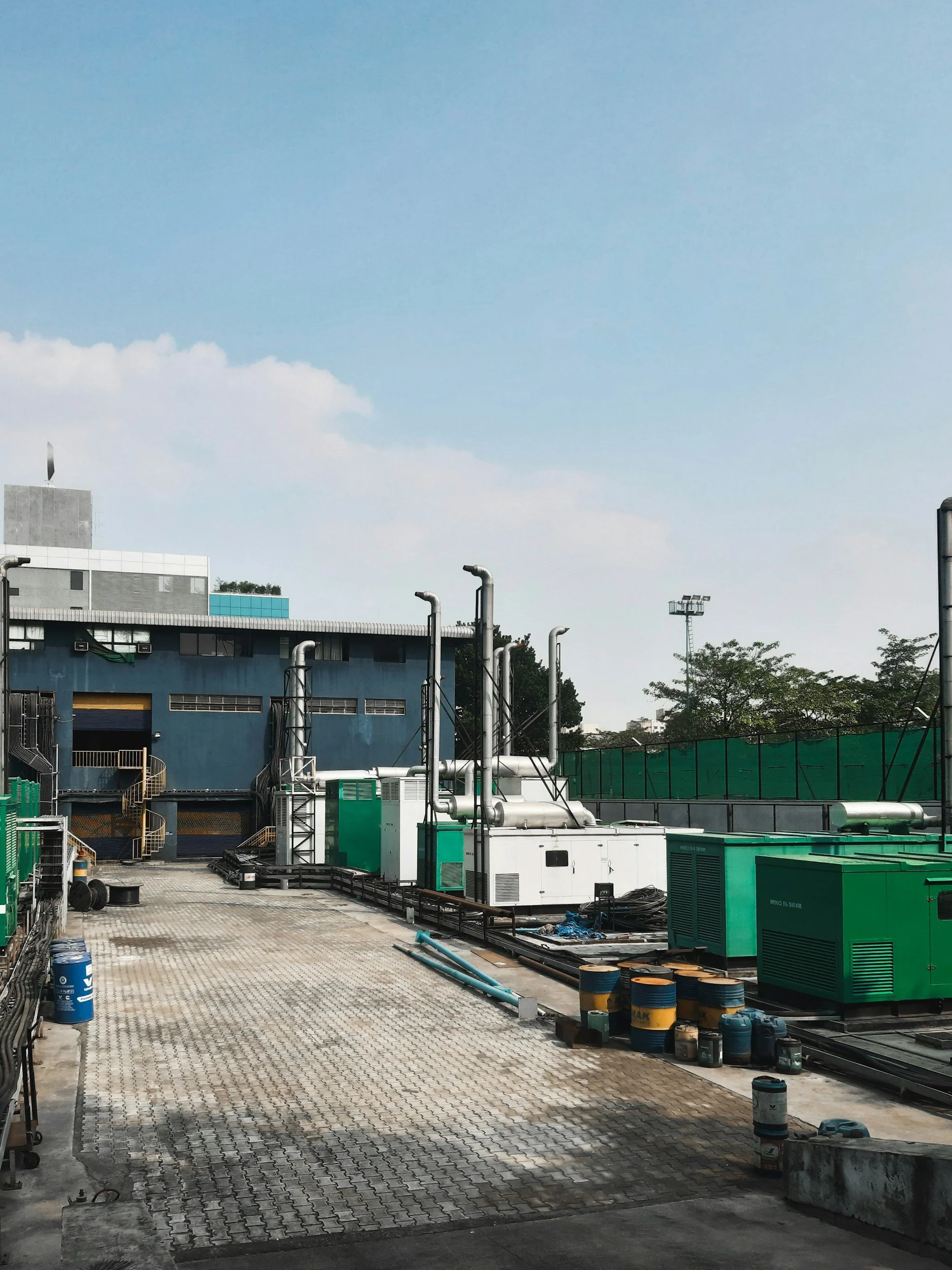
Batteries Work Better with C-Link Supercapacitor Modules
Batteries
Supercapacitors
Capacitech
Increasing peak power capacity means one of two challenging tradeoffs. You can optimize the battery chemistry for power delivery, but this sacrifices energy storage capacity (runtime). Alternatively, you can oversize the entire battery system to meet peak power needs, but then you're paying for energy storage capacity you'll never use. Additionally, batteries feature higher internal resistance, making them poor solutions for short-duration power quality issues.
Without batteries, supercapacitors do not have the energy storage capacity to practically meet the needs of microgrids. Supercapacitors are better suited to handle the millisecond and second long imbalance between supply and demand compared to shifting demand over the period of one hour as a battery would. Alone, they are impractical for sustained energy needs.
Avoid expensive tradeoffs. C-Link modules handle millisecond distortions while batteries provide long-duration backup, demand shift, and energy arbitrage. Both technologies operate in their optimal range, reducing operational expenses and achieving your resilience goals.
Utilize the high power density of supercapacitors and high energy density of batteries to maximize asset utilization and capital efficiency. The C-Link module form factor enables new placement advantages so space is preserved for batteries.
Microgrid Energy Storage Design